Hand-First Soil Regeneration
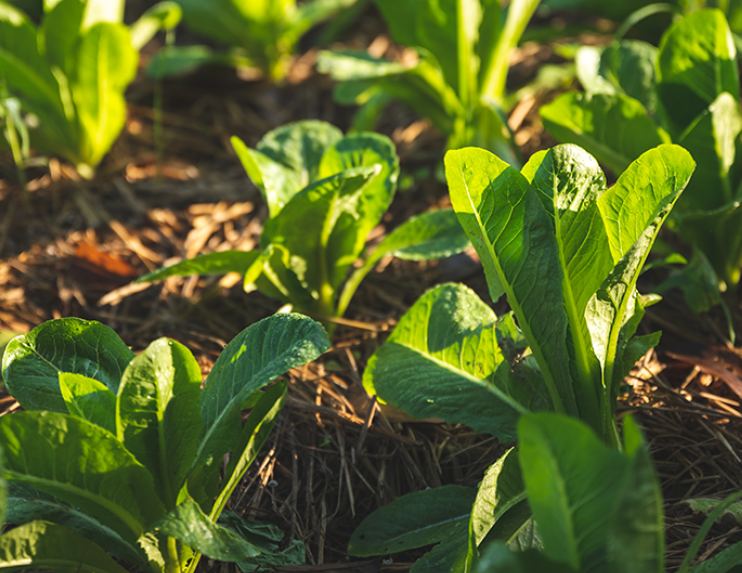
Our regenerative practices focus on rebuilding soil structure and microbiology through layered organic inputs and deliberate crop rotations. Each field receives a customized plan that sequences cover crops, nutrient-building blends, and low-disturbance planting. Instead of quick-fix applications, we prioritize persistent measures: living roots throughout the year, layered compost applications timed for microbial activation, and rotational grazing of certified small livestock when appropriate to add bioavailable nutrients and break pest cycles. These practices increase water infiltration, buffer plants against temperature swings, and steadily rebuild soil organic matter. Over multiple seasons, beds become more resilient to drought and disease while producing more flavorful and nutrient-rich crops. We intentionally monitor soil carbon, aggregate stability, and microbial activity with simple in-field tests and partner labs to quantify improvement. This stewardship model creates a landscape that stores carbon, invites wildlife, and sustains higher-quality harvests for the long term — an approach that benefits both the plate and the planet.
Traceable, Seasonally Curated Harvests
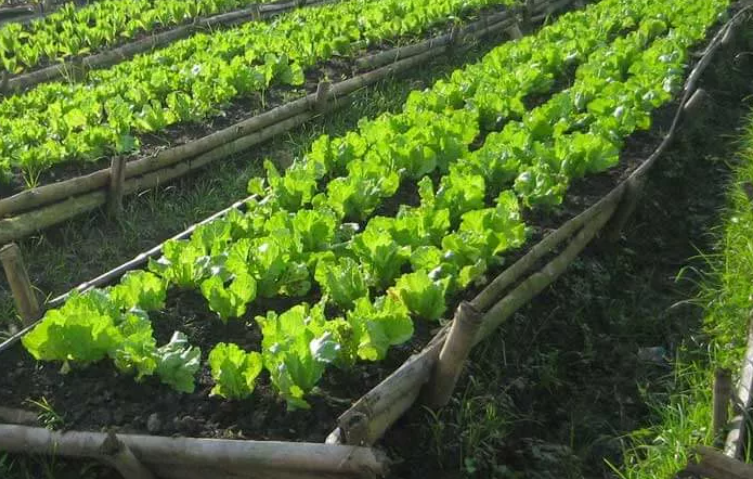
Every share and market bundle is curated by harvest window, ensuring customers receive produce at its peak flavor and nutritional value. We maintain transparent records that map each harvest back to its bed, planting date, and care history. This traceability allows chefs and home cooks to understand the exact provenance of their ingredients — from the seed lineage to the compost blend used on the plot. Seasonal curation encourages variety and reduces waste by aligning supply with natural cycles; customers learn to cook with what grows best in the moment. We also rotate flavor-forward cultivars selected for taste and resilience rather than uniform appearance. Small-batch tastings and weekly harvest notes accompany orders, offering storage tips, suggested pairings, and simple preservation techniques. For wholesale partners, we provide crate-level harvest sheets and handling guidance that preserves quality through delivery. This commitment to transparency and seasonality creates a direct relationship between growers and eaters and supports a more responsible food system.
Close-Knit Education & Community Programs
Education is integral to our mission: we host practical workshops that teach accessible skills such as compost building, seed starting, beneficial insect identification, and small-scale irrigation. Our curriculum targets both beginners and experienced gardeners, with hands-on apprenticeships that run during peak seasons. Community days invite volunteers to participate in planting rotations, harvest gatherings, and soil testing clinics, fostering intergenerational knowledge exchange. Through intentional partnerships with local schools, small chefs, and community groups, we create tailored modules that address nutrition education, farm economics, and sustainable land stewardship. Proceeds from premium boxes underwrite scholarships for free workshop access and seed libraries. These programs build local capacity, create career pathways in sustainable food systems, and strengthen neighborhood food resilience — turning the farm into a living classroom and a shared community asset.
Low-Input, High-Quality Crop Selection
Plant selections emphasize varieties that perform well in low-input systems, balancing yield, flavor, and pest tolerance. We select open-pollinated and regionally adapted cultivars that require minimal external interventions and respond positively to robust soil biology. Trial plots run annually to evaluate new ecotypes for flavor profiles, storage potential, and winter hardiness. By choosing varieties that naturally fit our regenerative model, we reduce irrigation demands, lower pest pressure, and extend harvest windows. This results in produce that holds longer, cooks more reliably, and offers concentrated flavor notes prized by chefs. Our plant choices also support a diverse canopy of flowers and herbs that sustain pollinators and beneficial insects, forming a living pest-management network rather than relying on chemical controls.
Flexible Local Distribution Channels
Distribution is designed to minimize handling and maximize freshness. Customers can choose weekly curated boxes, biweekly seasonal shares, single-order bundles, or direct farmstand purchases. For local partner markets, produce is packed with clear handling instructions and timed to preserve peak quality during transport. We coordinate drop points to shorten delivery legs and prioritize rider pick-up schedules that align with harvest times. For subscription members, flexible pause and swap options are available, and surplus produce is redirected to community kitchens to reduce waste. These logistics maintain product integrity, lower emissions, and keep small-producer economics viable by enabling scale without losing direct connection between consumer and grower.
Sustainability Metrics & Open Reporting
We measure impact through clear, actionable metrics: soil organic matter changes, water-per-crop ratios, pollinator counts, and diversion of organic waste to compost. Annual reports summarize outcomes and lessons learned, providing customers and partners with meaningful insight into ecological returns on their support. These reports also include carbon sequestration estimates and community program reach, enabling transparent evaluation of environmental and social benefits. Open reporting fosters accountability and continuous improvement, and it allows supporters to make informed choices about food sourcing and local environmental investments.